CLOSE
CLOSE
Search
In the industrial world, there is a material known for its indestructible characteristics, and that is tungsten steel, also commonly referred to as cemented carbide. Although these two are often confused, there are actually some subtle differences between them.
Tungsten steel, as the name suggests, is a material with extremely high hardness, reaching between 89 to 95 HRA. What does this mean? Simply put, its hardness is second only to natural diamonds. This high hardness characteristic of tungsten steel is primarily due to its main component—cemented tungsten carbide, a compound composed of tungsten and carbon, which has extremely high hardness and wear resistance.
Cemented carbide, on the other hand, is a broader concept. It is a general term for a large class of materials, including alloys made from various sintered hard metal carbide powders, among which tungsten steel is a part and widely used in tungsten carbide products. The hardness of cemented carbide typically ranges from 86 to 93 HRA, essentially covering the hardness range of tungsten steel. Members of the cemented carbide family also include tungsten-titanium-cobalt alloys, tungsten-titanium-tantalum (niobium) alloys, and other different kinds of alloys, each with its own unique properties and applications.
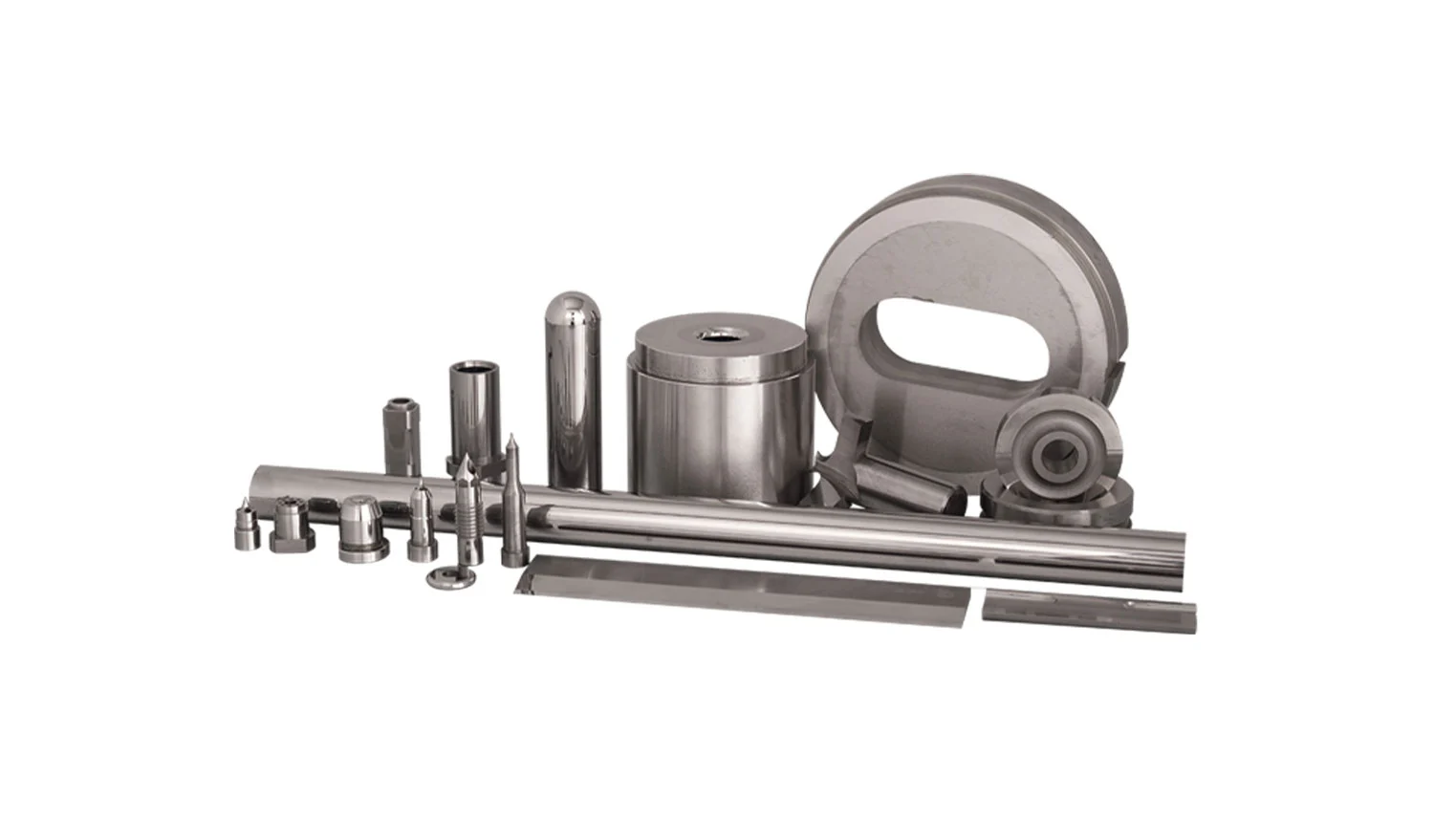
In terms of manufacturing processes, both tungsten steel and cemented carbide use powder metallurgy. This process involves mixing metal powders with carbide powders, and then sintering them under high temperature and pressure to form the final product. This method ensures a uniform microstructure in the material, resulting in excellent mechanical properties. Understanding the difference between carbide and tungsten carbide is important here: while carbide generally refers to compounds of carbon with various metals, tungsten carbide specifically combines tungsten with carbon, offering superior hardness and wear resistance compared to many other carbide materials.
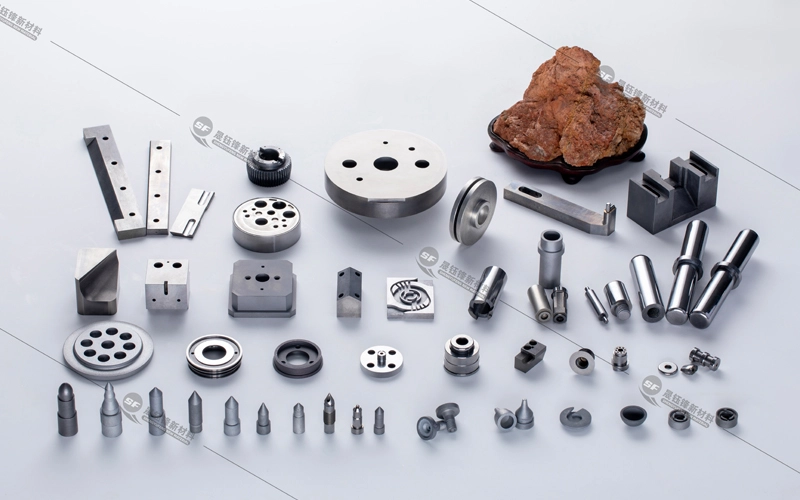
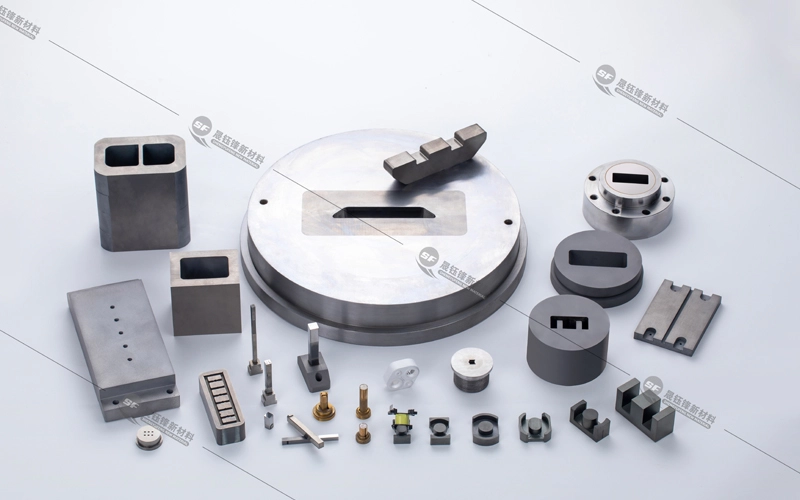
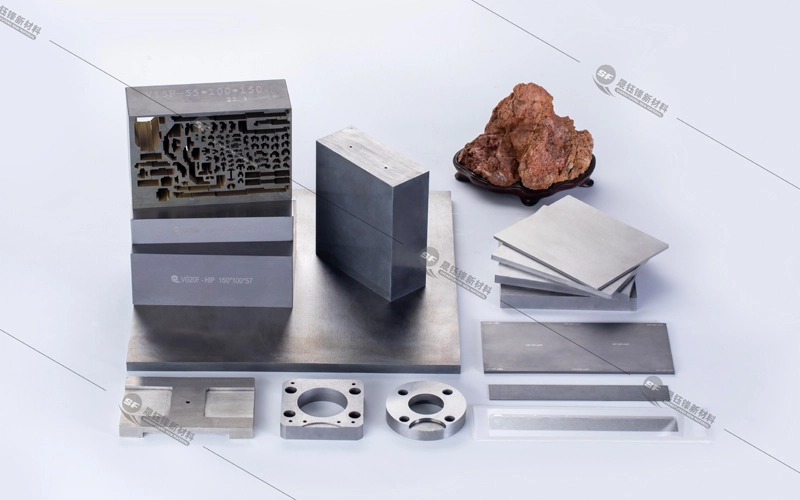
The applications of tungsten steel are very extensive. It is not only used to manufacture cutting tools, drills, molds, etc., but also plays a significant role in aerospace, automotive manufacturing, electronics, and other industries. For example, in the mechanical processing industry, tools made of tungsten steel can cut at higher speeds and with longer service lives, greatly improving processing efficiency and product quality.
Cemented carbide inlcuding tungsten carbide metal cutting blade also has a wide range of applications, not only covering all the application fields of tungsten steel but also used for making measuring tools, wear-resistant parts, metal molds, and more. In the mining and metallurgy industries, rock drilling tools and excavation tools made from cemented carbide can withstand extreme working conditions, demonstrating excellent wear resistance and impact resistance.
It is worth mentioning that both tungsten steel and cemented carbide have excellent heat resistance and corrosion resistance. In high-temperature environments, their hardness and wear resistance remain almost unaffected, making them perform exceptionally in high-temperature operations. Additionally, they have good resistance to most acids and bases, which is particularly important in the chemical industry.
Contact Us
 English
  English