CLOSE
CLOSE
Search
Silicon carbide bars have revolutionized metallurgical processes, providing unparalleled efficiency and durability. Because of their high thermal conductivity, they can withstand extreme temperatures, which is crucial in smelting and refining metals. Moreover, their resistance to thermal shock ensures longevity, reducing the frequency of replacements. There are significant cost savings and operational efficiency improvements. Additionally, silicon carbide bars are chemically inert, preventing contamination of the metals being processed. This property is particularly beneficial in producing high-purity metals. In conclusion, silicon carbide bars are indispensable in modern metallurgy, offering a combination of durability, efficiency, and purity.
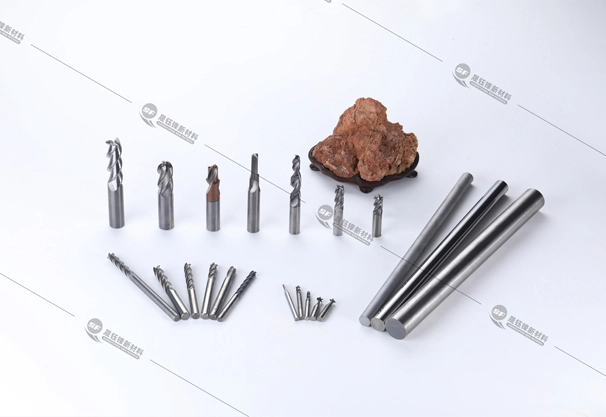
In the ceramic industry, silicon carbide bars play a pivotal role in enhancing product quality and manufacturing efficiency. Their ability to maintain structural integrity at high temperatures ensures consistent firing conditions, which is essential for producing high-quality ceramics. Furthermore, their thermal conductivity allows for even heat distribution, preventing defects such as warping or cracking. This results in higher yields and reduced waste. Additionally, silicon carbide bars are resistant to chemical reactions, ensuring that the ceramics remain uncontaminated. Consequently, manufacturers can produce ceramics with superior properties, such as increased strength and durability. Therefore, silicon carbide bars are a critical component in the ceramic manufacturing process.
Glass production requires precise temperature control and stability, which silicon carbide bars provide. Their high thermal conductivity ensures even heating, preventing temperature fluctuations that can cause defects in the glass. As a result, there is improved clarity and strength in the final product. Additionally, silicon carbide bars are resistant to oxidation, which is crucial in maintaining the purity of the glass. This resistance also extends the lifespan of the bars, reducing maintenance costs. Furthermore, their durability allows for continuous operation, increasing overall production efficiency. For those seeking reliable materials, cemented carbide suppliers like SYF carbides offer a range of high-performance options that are essential for the glass production process. In summary, silicon carbide bars are essential in producing high-quality glass, offering benefits such as clarity, strength, and cost savings.
Chemical processing often involves high temperatures and corrosive environments, where silicon carbide bars excel. Their resistance to chemical reactions ensures that they remain intact, even in the harshest conditions. This property is particularly important in processes such as chemical vapor deposition, where contamination must be avoided. Additionally, their high thermal conductivity allows for efficient heat transfer, improving reaction rates and overall process efficiency. Moreover, silicon carbide bars are durable, reducing the need for frequent replacements and minimizing downtime. Consequently, they contribute to more reliable and cost-effective chemical processing operations. Therefore, silicon carbide bars are a valuable asset in the chemical industry.
The semiconductor industry demands precision and reliability, which silicon carbide bars provide. Their ability to withstand high temperatures without deforming ensures consistent processing conditions, which is crucial for producing high-quality semiconductors. Additionally, their thermal conductivity allows for efficient heat dissipation, preventing overheating and ensuring the stability of the manufacturing process. Furthermore, silicon carbide bars are chemically inert, preventing contamination of the semiconductors. This property is essential for maintaining the purity and performance of the final products. For industries requiring durable and high-performance components, cemented carbide tools are also a popular choice due to their superior hardness and wear resistance. In conclusion, silicon carbide bars are indispensable in the semiconductor industry, offering precision, reliability, and efficiency.
The future of silicon carbide bar technology looks promising, with ongoing innovations aimed at enhancing their performance and applications. Researchers are exploring new manufacturing techniques to improve the material’s properties, such as increasing its thermal conductivity and resistance to wear. Additionally, there is a focus on developing composite materials that combine silicon carbide with other elements to enhance its durability and efficiency further. These advancements will likely expand the use of silicon carbide bars in various high-temperature industries. Moreover, the integration of smart technologies, such as sensors, could provide real-time monitoring and predictive maintenance, further improving operational efficiency. Therefore, the future of silicon carbide bars is bright, with continuous innovations driving their adoption in high-temperature applications.
In conclusion, silicon carbide bars are a critical component in various high-temperature industries, offering unparalleled efficiency, durability, and performance. From metallurgy to semiconductor manufacturing, their unique properties make them indispensable. As technology advances, we can expect even greater innovations in silicon carbide bar technology, further enhancing their applications and benefits. Additionally, tungsten carbide bar also play a significant role in these industries, offering complementary benefits and expanding the range of high-performance materials available.
Contact Us
 English
  English