CLOSE
CLOSE
Search
Powder metallurgy is a process that has significantly impacted the manufacturing of high-performance tools, allowing for the creation of complex and durable parts efficiently. This technique involves compacting powdered materials into a designed shape and then heating them to form a solid piece. Tungsten carbide tools and precision stamping parts are just two examples of tools that benefit immensely from this process. This article examines the process of powder metallurgy, its benefits in producing carbide end mill cutters, common products manufactured through this method, the industry's adoption of powder metallurgy, and future trends in tool making.
The process of powder metallurgy begins with the preparation of metal powders, followed by blending, compacting, and sintering. Each of these steps is crucial in creating high-quality components. Powder metal parts such as tungsten carbide rods and solid carbide boring bars are formed through this meticulous process.
Step | Description | Key Considerations |
Blending | Mixing metal powders with additives | Uniformity is crucial for consistency |
Compacting | Pressing powders into a desired shape | Density control impacts strength |
Sintering | Heating the compact to bond particles | Temperature affects mechanical properties |
This structured approach provides an opportunity for creating intricate shapes and enhancing the material properties such as toughness and resistance to wear, crucial for tools like carbide end mills and carbide hole cutters.
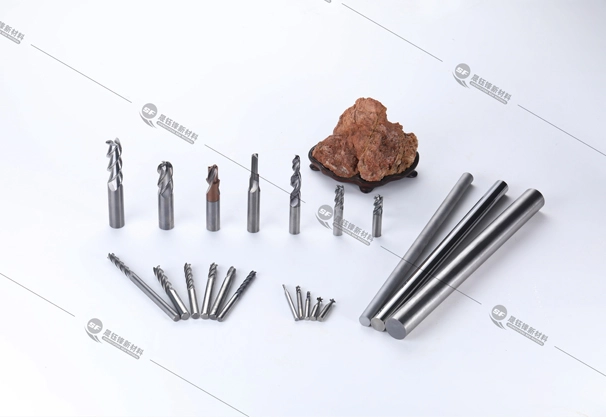
Tungsten carbide cutting tools manufactured through powder metallurgy boast numerous benefits over traditionally produced tools. The inherent hardness of tungsten carbide makes it ideal for cutting tools and abrasion-resistant applications.
The question often arises, “Is tungsten stronger than diamond?” While diamond is the hardest known natural material, tungsten carbide, with its balance of hardness and toughness, is more practical for various industrial applications. Tungsten carbide tools are remarkably robust, offering superior wear resistance and longevity when compared to other tool materials.
This intricate craftsmanship results in tools that maintain a sharp edge longer, increase efficiency, and reduce downtime for tool changes in industrial applications.
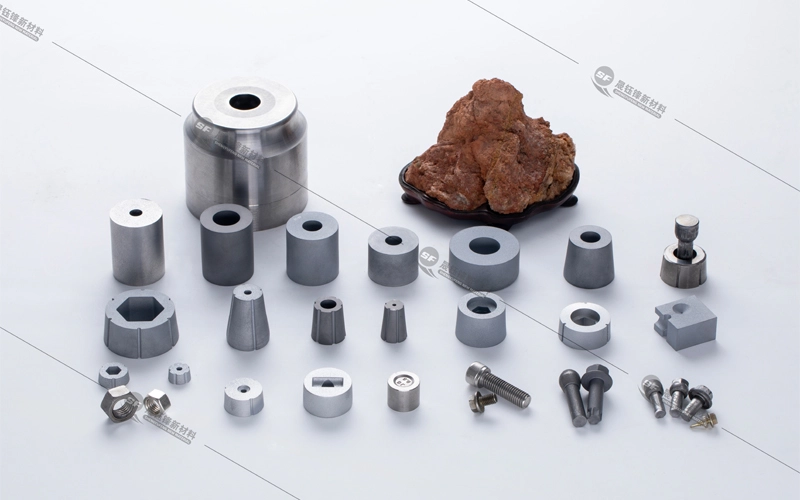
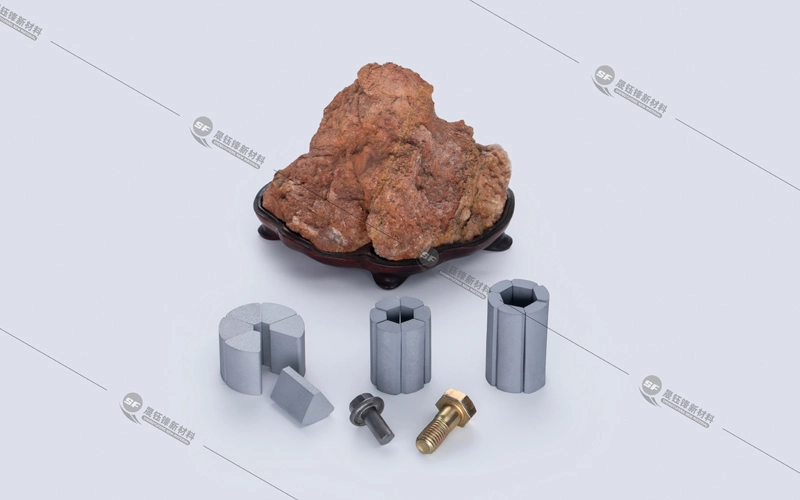
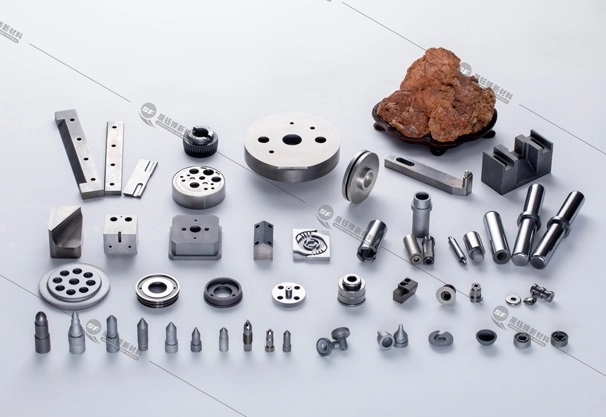
A wide range of products emerges from the powder metallurgy process, notable among them being carbide insert charts, custom metal stamping die, and carbide blades for oscillating tools.
Product | Description | Applications |
Carbide Inserts | Replaceable tips for cutting and milling tools | Improved cutting precision |
Stamping Dies | Tools for shaping and cutting metal | High-volume production environments |
Carbide Blades | High-strength cutting implements | Versatile across materials |
The versatility of powder metallurgy is evident in its ability to create customized components that meet specific industrial needs.
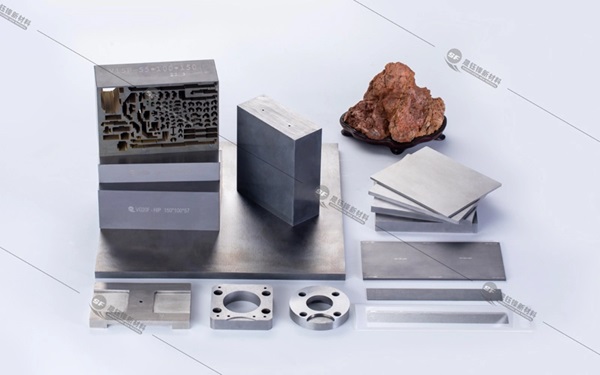
The automotive, aerospace, and electronics sectors are just a few of the industries that have widely adopted powder metallurgy due to its efficiency and adaptability in manufacturing precision stamping parts.
By integrating powder metallurgy, companies can achieve reduced waste, enhanced material properties, and cost savings, making it an attractive choice for manufacturing tungsten carbide rods and other complex geometries. The ease of producing components with consistent quality and the option for custom metal stamping die further solidify its place in modern manufacturing. Working with experienced cemented carbide suppliers helps manufacturers obtain reliable carbide solutions that meet specific tooling and production requirements.
The continuing evolution of powder metallurgy is setting the stage for exciting advancements in tool manufacturing. With ongoing research into cemented carbide and what is carbide made of, the emphasis is on improving performance characteristics and expanding applications.
As manufacturers seek how strong is tungsten carbide, innovations such as tungsten steel composites and enhanced sintering techniques could lead to more efficient, resilient tools. As the industry moves forward, the possibilities for new tool implementations and modifications only expand, supporting evolving industry demands.
Powder metallurgy is pivotal in the evolution of tool making, offering unique advantages in producing durable, high-performance products like carbide rods and thread rolling dies. As industries continue to demand more efficient and reliable tools, powder metallurgy's capabilities in precision and customization are more relevant than ever. Enabling enhancements in tool longevity, strength, and efficiency, it has paved the way for innovation and growth in the manufacturing of critical industrial components.
Contact Us
 English
  English