CLOSE
CLOSE
Search
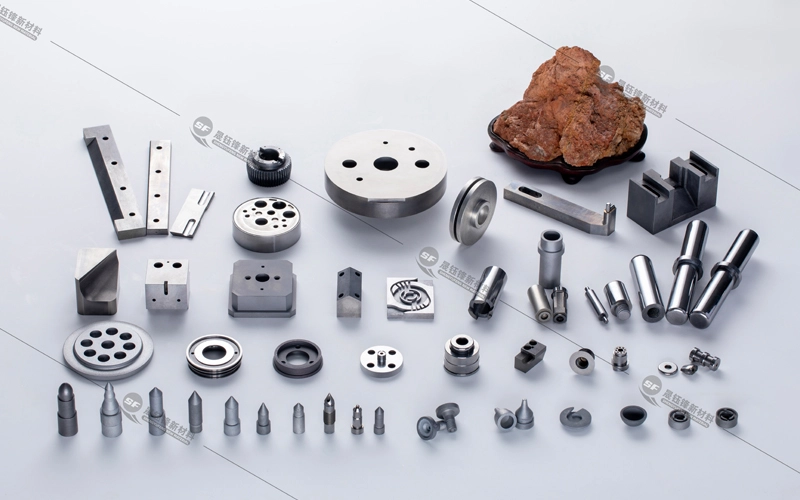
In the domain of manufacturing and machining, cemented carbide tools have become indispensable due to their exceptional performance and reliability. These tools, known for their resilience and efficiency, are favored across various industries for their capability to enhance machining accuracy and longevity. This comprehensive guide delves into the benefits of using cemented carbide tools, focusing on their durability advantages, precision in cutting, industry applications, maintenance tips, and innovation trends. Whether you're exploring tungsten carbide cutting tools or interested in acquiring precision stamping parts, understanding the intricacies of cemented carbide will provide a competitive edge in today's technology-driven landscape.
Cemented carbide tools are celebrated for their unmatched durability. Their composition, primarily featuring tungsten carbide bonded with metallic binders, provides exceptional strength and resistance to wear and tear. But just how strong is tungsten carbide? Comparatively, while it's not as hard as a diamond, it certainly surpasses many other metals in terms of hardness and tensile strength.
Property | Tungsten Carbide | Steel |
Hardness | 8.5-9.0 Mohs | 4.0-4.5 Mohs |
Young's Modulus | 530-700 GPa | 190-215 GPa |
Melting Point | 2,870°C | 1,370-1,540°C |
The exceptional hardness of tungsten carbide makes it ideal for crafting carbide blade for oscillating tool or solid carbide boring bars, which must endure rigorous operational demands without deforming or breaking.
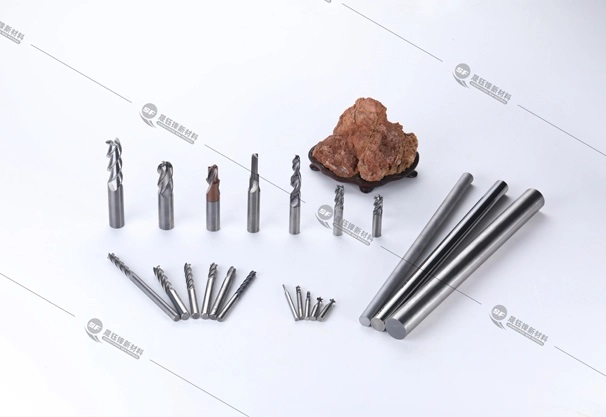
Precision machining relies heavily on cutting tools that can sustain sharpness and withstand harsh conditions. Carbide end mill cutters and tungsten carbide tools such as a tungsten carbide triple chip blade are renowned for delivering remarkable precision and ensuring a superior finish on machined parts. These tools minimize defects and improve production efficiency by maintaining their cutting edges even at high temperatures.
The carbide insert chart below illustrates the diversity and specification range available for various machining operations:
Insert Type | Application | Advantages |
Cermet | Finishing | High temperature resistance, wear resistance |
Coated Carbide | General Machining | Enhanced durability, extended life |
CVD Diamond | Non-Ferrous Machining | Extreme hardness, low friction |
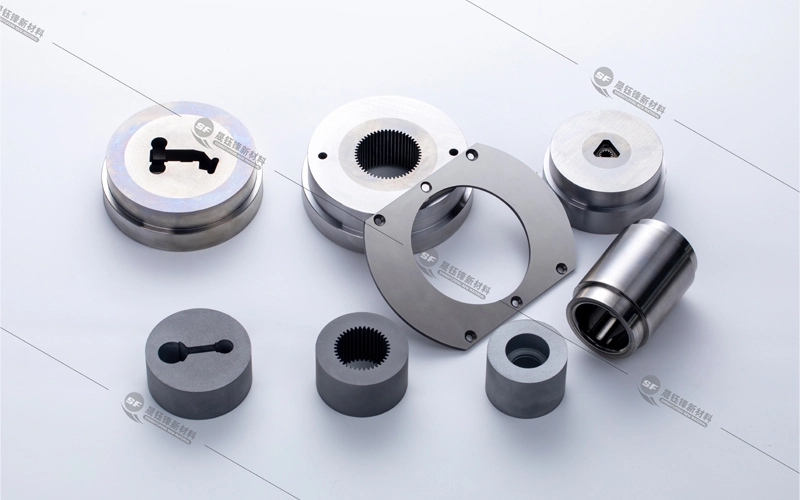
The impressive hardness of tungsten carbide makes it suitable for creating intricate details in components, particularly beneficial for custom metal stamping die production.
From automotive and aerospace to electronic and construction sectors, cemented carbide tools play a pivotal role. These tools are utilized in manufacturing powder metal parts, forming metal stamping dies, and crafting precision stamping parts, making them foundational in high-volume, precise production environments.
Below is a table outlining the typical applications and their corresponding tool requirements:
Industry | Tool Requirement | Benefits |
Automotive | Carbide rod machining | Precision, longevity |
Aerospace | Solid carbide boring bars | Lightweight, durable |
Electronics | Micro-machining tools | Accuracy, fine detailing |
Understanding what carbide is made of and its practical implications in diverse industrial applications highlights its indispensable role in advanced manufacturing.
Maintaining cemented carbide tools involves strategic practices to ensure prolonged tool life and consistent performance. Here are several tips to keep your machinery operating optimally:
Regular Inspection: Routinely check tools for any signs of wear or damage to prevent unexpected failures.
Proper Storage: Store tools in a moisture-controlled environment to avoid corrosion and maintain their hardness.
Sharpening: Use appropriate sharpening techniques to preserve edge sharpness and maintain the tungsten carbide rod's effectiveness.
By following these maintenance strategies, you can enhance the efficiency of your carbide hole cutter and overall operational longevity.
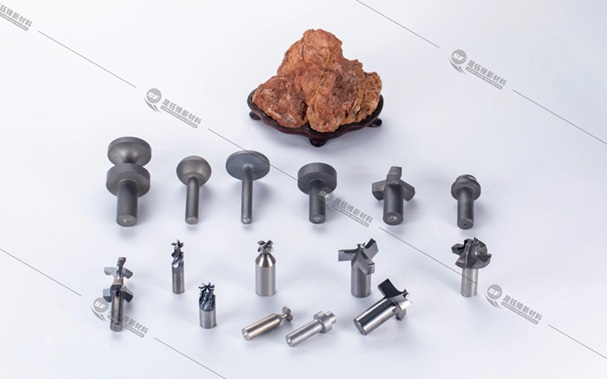
As technology advances, so does the evolution of cemented carbide tools. Innovations such as AI-driven machining and tungsten steel advancements are redefining cutting efficiency and productivity. Also, exploring whether tungsten is stronger than diamond or leveraging carbide endmill developments can lead to unprecedented breakthroughs in machining capabilities.
The continuous adaptation and improvement in tooling materials and processes ensure that industries remain competitive, further emphasizing the relevance of tungsten carbide tools for future technological progress.
Staying informed about these innovation trends is crucial for industries looking to optimize their manufacturing processes and lead in their respective fields.
In conclusion, the strategic use of cemented carbide tools offers vast benefits, from improved durability and precision cutting to broad industry applications and innovative potential. Understanding these aspects provides a comprehensive view of the value these tools bring to high-performance manufacturing environments. As industries continue to grow and innovate, leveraging the properties of tungsten carbide cutting tools and related products will remain critical to achieving superior results in production and machining operations.
For additional resources and detailed specifications on custom metal stamping die and other products, refer to our in-depth guides and industry experts. Embracing the power of cemented carbides will ensure your position at the forefront of modern manufacturing.
Contact Us
 English
  English