CLOSE
CLOSE
Search
In the realm of metal stamping dies and machining, the tools used can significantly impact the speed, quality, and cost-effectiveness of your work. Among the most popular tool choices are carbide cutters and high-speed steel (HSS) cutters. These tools serve distinct purposes and offer unique advantages depending on the application. Whether you are working with tungsten carbide tools or striving for precision with custom metal stamping dies, understanding the differences between carbide and HSS cutters will empower you to make informed decisions that enhance productivity and quality in metal fabrication.
Speed and efficiency are critical factors in any machining process, affecting both the output quantity and quality. Carbide end mills and cutters are renowned for their ability to operate at high speeds without compromising precision. This is largely due to the hardness and heat resistance properties of carbide end mill cutters, which outperform HSS cutters under similar conditions.
Tool Type | Speed Potential | Precision Level | Efficiency Ratio |
Carbide Cutter | High | High | High |
HSS Cutter | Moderate | Moderate | Moderate |
Carbide cutters maintain sharpness over extended periods, reducing downtime for tool changes, and maximizing throughput. For industries heavily reliant on precision stamping parts, this efficiency can translate into substantial time and cost savings.
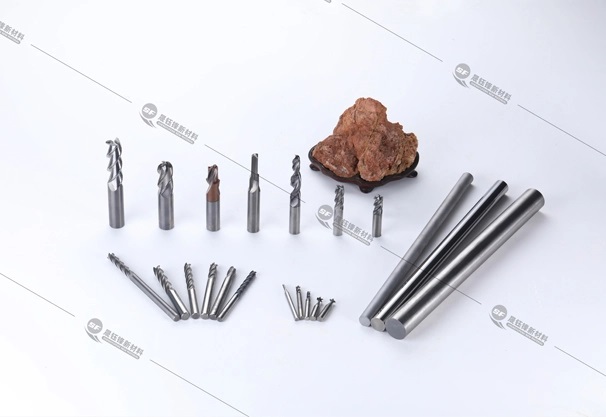
Heat resistance is a critical aspect influencing tool durability and performance. Tungsten carbide tools, known for their exceptional thermal stability, surpass HSS cutters in maintaining structural integrity at elevated temperatures. This advantage is particularly significant when addressing questions like "how strong is tungsten carbide?" and "is tungsten stronger than diamond?", underscoring their utility in demanding environments.
Tool Type | Heat Resistance | Performance at High Temperature |
Carbide Cutter | High | Consistent |
HSS Cutter | Moderate | Decline |
The hardness of tungsten carbide ensures that carbide cutters can perform uninterrupted in high-heat applications, which are common in industries that involve fabrication of powder metal parts and cemented carbide products.
The longevity of a cutting tool is crucial for minimizing operational costs and maintaining workflow efficiency. Carbide cutters boast a longer life expectancy compared to HSS thanks to their robust composition and resistance to wear. This is especially evident when examining metrics like a carbide insert chart or assessing the durability of tungsten carbide rod material.
Tool Type | Average Tool Life | Maintenance Frequency |
Carbide Cutter | Long | Low |
HSS Cutter | Short | High |
The reduced need for frequent maintenance and replacement contributes to cost efficiency, making carbide cutters a preferred choice for high-volume carbide hole cutter applications.
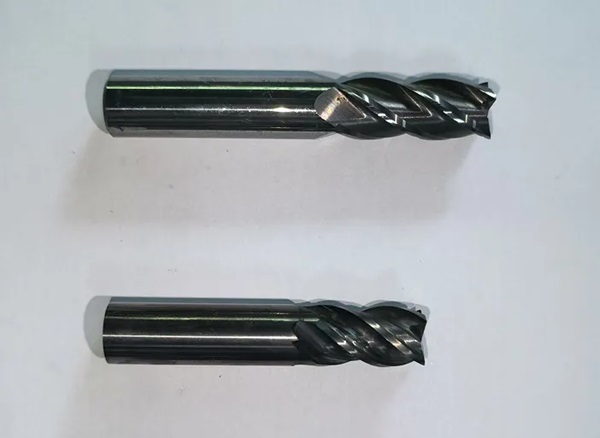
While the initial cost of carbide cutters can be higher than HSS cutters, the long-term savings potential is significant. Factors such as reduced downtimes, fewer replacements, and lower maintenance needs contribute to a favorable cost analysis over time.
Tool Type | Initial Cost | Total Cost Over Time |
Carbide Cutter | High | Low |
HSS Cutter | Low | High |
For businesses involved in precision-heavy work such as thread rolling dies and solid carbide boring bars, investing in carbide tools can lead to substantial economic benefits, despite the higher upfront costs.
Choosing the right tool for the right application is critical in optimizing metalwork performance. Carbide cutters are suited for complex tasks involving carbide blade for oscillating tool use, especially when working with carbide rod materials where precision and durability are paramount.
Tool Type | Ideal Applications | Material Compatibility |
Carbide Cutter | Heavy-duty, precision tasks | High-hardness metals |
HSS Cutter | General-purpose tasks | Low to medium-hardness metals |
For industries like construction and manufacturing that frequently handle tungsten carbide rod and carbide endmill, the choice of carbide ensures superior quality in parts production and enhances operational efficiency. For professional cutting applications requiring reliable performance and long service life, a tungsten tip saw bench blade can be selected to meet different material processing requirements.
The choice between carbide cutters and HSS cutters depends largely on your specific needs in metalwork applications. While carbide cutters offer superior speed, heat resistance, tool life, and cost efficiency, HSS cutters still serve well in general applications and cost-sensitive scenarios. Understanding the composition of tools, such as what is carbide made of, and considering factors like how hard is tungsten carbide, can inform purchasing decisions that optimally align with operational goals. As advancements in machining technology continue, exploring custom metal stamping die options alongside traditional tools can lead to greater precision and efficiency. Leveraging the strengths of carbide cutter tools ensures that industries remain competitive and successful in the dynamic landscape of metal fabrication.
Contact Us
 English
  English