CLOSE
CLOSE
Search
The world of industrial manufacturing heavily relies on materials that can withstand extreme conditions and deliver optimal performance. Cemented carbide stands out as a cornerstone in this realm, renowned for its incredible toughness and durability. In this article, we delve into various key properties of cemented carbide that make it suitable for demanding applications. We will explore the applications that match its strength, assess supplier product lines, analyze pricing and value propositions, and underscore the importance of technical support in maximizing its potential. This comprehensive guide aims to equip industry professionals with the knowledge needed to make informed decisions about adopting cemented carbide in their operations.
When it comes to tool materials, the hardness of tungsten carbide is a defining attribute that makes it superior in many engineering applications. Understanding the material's hardness involves comparing it with other substances and analyzing its composite structure.
Material | Comparison | Hardness (Vickers Scale) |
Tungsten Carbide | Commonly used as a benchmark for wear resistance | 1600 - 2500 |
Steel | Basic structural material | 130 - 900 |
Titanium | High strength-to-weight ratio | 833 - 1700 |
One frequent question is, "Is tungsten stronger than diamond?" While diamond tops the scale in pure natural hardness, tungsten carbide tools excel in a practical sense due to their utility under heat and high pressure.
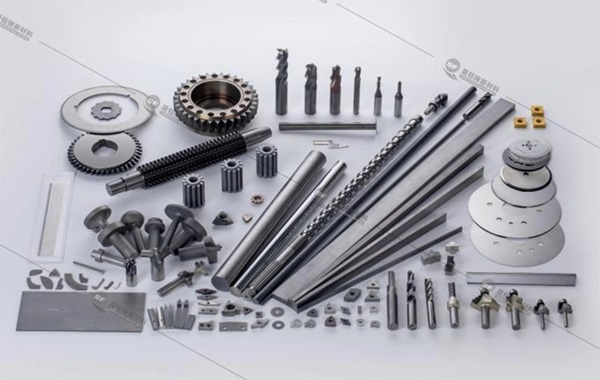
What drives the widespread use of cemented carbide is its versatility in various industries. Its robustness makes it ideal for custom metal stamping die applications and precision stamping parts. With properties such as high wear resistance and thermal stability, cemented carbide is often the material of choice in demanding environments.
Consider a typical manufacturing scenario where carbide end mill, carbide cutter, and carbide hole cutter are essential. These tools benefit from carbide's ability to sustain sharpness and withstand repetitive stress, thereby minimizing downtime and extending tool life.
The industrial market offers a broad array of supplier product lines for those interested in cemented carbide materials. Manufacturers and tungsten carbide wholesale suppliers often highlight their product improvements, such as advanced carbide insert charts and solid carbide boring bars, which enable optimized cutting processes.For instance, innovations in powder metal parts have allowed suppliers to produce highly customized and intricate designs without sacrificing efficiency and longevity. Carbide rod producers are constantly innovating to improve strength-to-density ratios, directly impacting fuel efficiency in automotive applications.

Cost considerations can significantly influence the decision to adopt cemented carbide in industrial settings. The initial investment may be higher compared to alternatives, but the long-term savings and performance gains often justify the expense.
When evaluating pricing and value, consider the TCO (Total Cost of Ownership). Despite its upfront cost, that might seem high, cemented carbide brings potential savings through reduced tool replacement rates and increased productivity.
Comprehensive evaluations often highlight the compelling value proposition offered by tungsten carbide rod due to its durability and precision attributes in harsh working environments.
Achieving the full potential of cemented carbide necessitates robust technical support. Leading suppliers provide valuable assistance, helping customers navigate challenges such as tool selection, customization, and performance optimization.
Key areas of support include guidance on the effective use of tungsten carbide tools, which is crucial for adapting to the specific needs of different industries. Understanding "how strong is tungsten carbide" is one part of the equation; leveraging that strength effectively through technical know-how is the other.
Support also extends to post-adoption stages, ensuring that performance metrics align with organizational goals and that any customization of thread rolling dies or carbide blade for oscillating tool are correctly implemented to maximize their operational efficacy.
Cemented carbide stands as a paragon of industrial resilience and efficiency, offering unrivaled toughness and durability necessary for advanced manufacturing processes. Through understanding its key properties, application matches, supplier product lines, pricing, and the importance of technical support, this article provides a comprehensive overview critical for industry professionals. Whether you're exploring tungsten carbide, metal stamping dies, or seeking to maximize the strength and practicality of this material, knowledge remains your greatest tool. Future endeavors aim to push these boundaries further, setting new standards for what industrial materials can achieve.
References:
Contact Us
 English
  English