CLOSE
CLOSE
Search
In industrial manufacturing and machining, tungsten carbide tools and cemented carbide play crucial roles, often used interchangeably due to their similar properties. However, these materials have distinct characteristics that can impact their performance in different applications. Understanding the differences between cemented carbide and tungsten carbide tools can help industries select the right tool for their needs, optimizing both performance and cost efficiency. This article compares these two materials in terms of composition, cutting task performance, durability, and best use scenarios. Whether you're dealing with custom metal stamping die, evaluating powder metal parts, or selecting the right carbide blade for oscillating tool, this guide is designed to inform your choices with precision.
The fundamental difference between cemented carbide and tungsten carbide tools lies in their composition. Cemented carbide is formed by combining fine particles of tungsten carbide with a binding metal, typically cobalt. This combination offers exceptional hardness and robustness, making it ideal for demanding industrial applications.
Material Type | Main Components | Properties |
Cemented Carbide | Tungsten Carbide + Cobalt | High hardness and thermal conductivity |
Tungsten Carbide Tools | Pure Tungsten Carbide | Exceptional toughness, corrosion resistance |
On the other hand, tungsten carbide tools are often ideal for tasks requiring extreme hardness such as cutting tools and carbide hole cutter applications. This composition influences not just the material’s strength, but also its performance in precision manufacturing such as precision stamping parts and solid carbide boring bars.
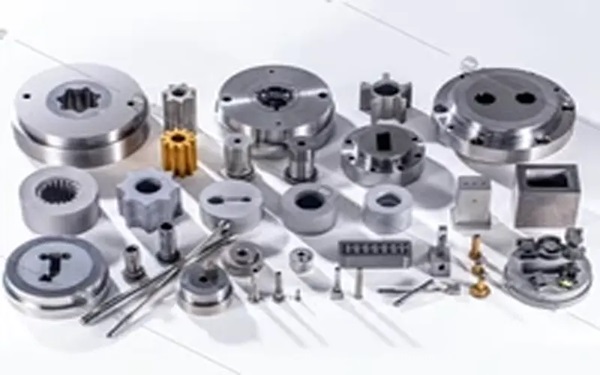
Both cemented carbide and tungsten carbide cutting tools are renowned for their cutting performance, yet they differ slightly in specific applications. Cemented carbide is preferred for high-speed cutting tools, including carbide end mill and carbide endmill applications due to its ability to withstand significant heat and friction.
Tungsten carbide tools excel in providing long-lasting performance for specific processes like lathe machine operations. The carbide cutter derived from tungsten carbide tends to hold its edge longer, making it suitable for repetitive and high-wear tasks, enhancing efficiency in mass production. For cutting operations that require high durability and consistent performance, tungsten carbide saw blade provides an effective solution for processing different materials.
For instance, deciding the right tool for metal stamping dies could benefit greatly from a precision understanding of these differences. Such strategic choices lower operational costs in the long run by reducing tool wear and maintenance needs.
When considering how strong is tungsten carbide, it's essential to address the hardness and wear resistance it provides. The hardness of tungsten carbide outperforms many other tool materials, allowing it to maintain a sharp edge under extreme conditions.
This makes tungsten carbide rod an excellent choice where wear resistance is primary. Moreover, the tungsten carbide cutting tools offer superior life spans, reducing the frequency of replacements and downtimes in processes such as making precision thread rolling dies or carbide insert chart dependent operations.
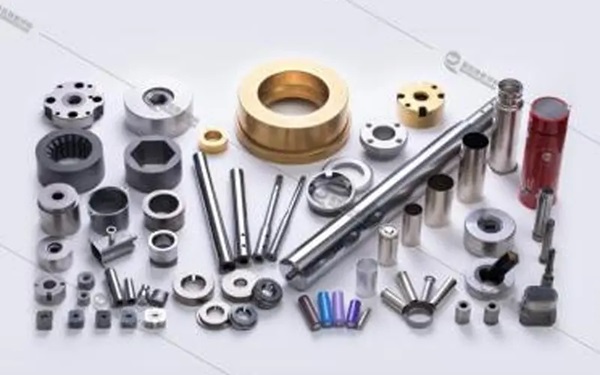
Identifying the best applications for each can maximize industrial and manufacturing efficiencies. For example, tungsten steel, considered a staple in the precision machining sector, is ideal for ongoing production runs requiring durable precision tooling.
In contrast, cemented carbide's excellent coupling of toughness highlights its relevance in projects where edge precision over prolonged use is necessary, such as in the fabrication of tungsten carbide tools or cemented carbide tools for tailored, custom metal stamping die processes.
Understanding the nuanced differences between cemented carbide and tungsten carbide tools is essential for enhancing operational performance and ensuring cost efficiency. By analyzing composition, performance, durability, and application specifics, industries can make informed decisions about when and how to best incorporate these materials into their processes. Whether you’re involved in high-precision carbide milling or demanding tungsten carbide cutting tasks, selecting the appropriate tool can significantly influence the efficiency and success of your manufacturing projects, ensuring sustainable and profitable operations for the future.
Contact Us
 English
  English