CLOSE
CLOSE
Search
Carbide is a material that plays a crucial role in various industries due to its remarkable strength and versatility. Known for its exceptional hardness, this compound is essential in manufacturing processes, especially in cutting and drilling applications where durability is paramount. Carbide end mill and tungsten carbide tools are prevalent in industries such as mining, automotive, and precision engineering. This article explores the definition and types of carbide, its role in cutting tools, applications in mining equipment, benefits for automotive parts, and considerations regarding its environmental impact. By understanding carbide and its myriad uses, industry professionals can leverage its qualities to enhance production efficiency and product longevity.
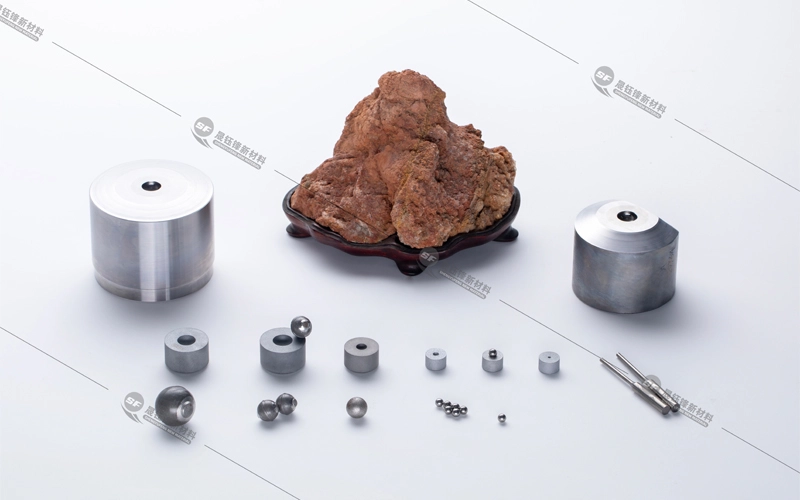
The term carbide represents a category of compounds composed of carbon and a less electronegative element. The most well-known forms include tungsten carbide, titanium carbide, and silicon carbide. These materials are celebrated for their hardness and robustness, with tungsten carbide often compared to diamonds due to its strength. The debate over "is tungsten stronger than diamond" often surfaces; while diamond is harder, tungsten carbide is remarkably durable, resisting wear and deformation under extreme conditions.
Type | Main Element | Property |
Tungsten Carbide | Tungsten | Extreme hardness, wear resistance |
Silicon Carbide | Silicon | Heat resistance, thermal conductivity |
Titanium Carbide | Titanium | Corrosion resistance, hardness |
Carbide cutter tools are invaluable in industries requiring precision and endurance. These tools include carbide end mill, carbide end mill cutter, and carbide blade for oscillating tool, renowned for their ability to smoothly cut through tough materials without dulling rapidly. Cemented carbide, a compound formed by cementing tungsten carbide with cobalt, enhances tool strength and longevity. Choosing a reliable cemented carbide company can help manufacturers access high-quality carbide solutions for different industrial applications. It shapes the capabilities of carbide hole cutter and tungsten carbide cutting tools, allowing for operations on tough substrates without compromising accuracy or efficiency.
In mining, carbide compounds are a necessity due to their ability to withstand high-pressure environments and abrasive conditions. Components such as solid carbide boring bars and carbide rod are integral in drilling and excavation machinery. These devices operate in demanding environments, requiring material resilience and reliability. Powder metal parts, incorporating tungsten carbide, provide the necessary durability and strength for seamless operation over extended periods while maintaining high performance.
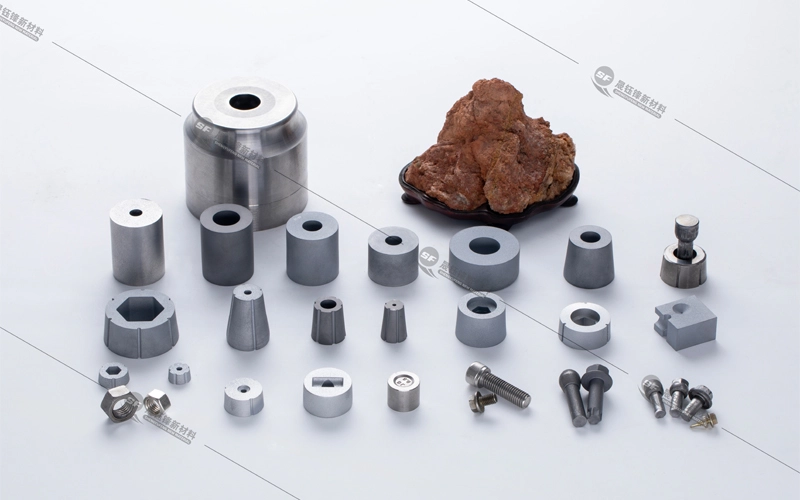
In automotive manufacturing, carbide is utilized for its ability to be molded into various shapes and withstand friction and high temperatures. Carbide insert chart materials offer benefits in producing precision stamping parts like custom metal stamping die and thread rolling dies, crucial for vehicle assembly and function. By focusing on precision stamping parts, automotive manufacturers achieve high-quality outputs that enhance vehicle performance and longevity.
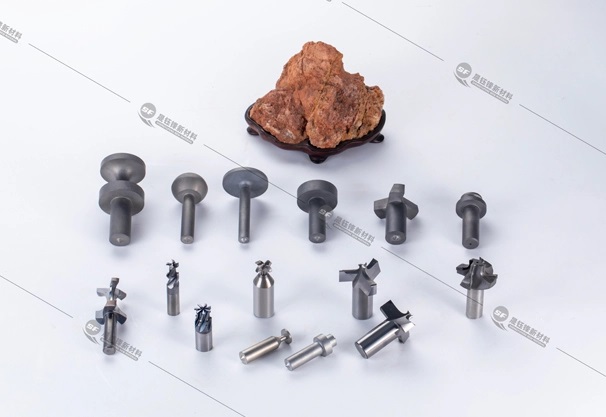
As industries increasingly prioritize sustainable practices, the environmental impacts of carbide manufacturing and usage are under scrutiny. Cemented carbide production involves energy-intensive processes that generate emissions. Exploring the lifecycle of carbide elements, like in tungsten carbide rod, helps gauge their environmental footprint. Initiatives to recycle and efficiently utilize tungsten carbide tools and carbide blade for oscillating tool can reduce waste and enhance sustainability, contributing positively to environmental goals.
Carbide compounds are fundamental to innovative industrial operations, providing exceptional strength and reliability. From precision stamping parts in automotive sectors to robust tools in mining, carbide plays a vital role across diverse applications. Understanding its composition and uses not only helps professionals choose the right materials but also fosters informed decisions about environmental considerations. As industries evolve, leveraging the unique properties of carbide continues to drive progress and efficiency, ensuring that it remains a cornerstone of modern technological advancement.
References:
Contact Us
 English
  English